Airport Paving in Little Rock, AR
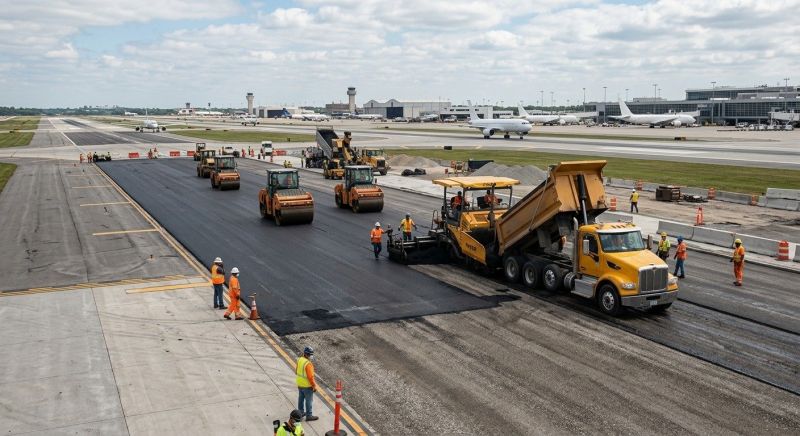
Airport paving services encompass the installation, repair, and maintenance of paved surfaces used for airport runways, taxiways, and aprons. These projects typically involve large-scale asphalt or concrete paving to ensure smooth, durable surfaces capable of handling heavy aircraft traffic. Homeowners and property owners may request airport paving services for private airstrips or large-scale commercial properties that require reliable, high-quality paving solutions designed to meet specific weight and safety standards.
Before requesting airport paving, property owners should consider the scope of the project, including the size of the area to be paved and the type of surface desired. It’s important to understand the necessary surface thickness, material specifications, and any local regulations or standards that may apply. Clarifying these details can help ensure the paving work meets safety and operational requirements, providing a long-lasting and functional surface for aircraft operations.
Many property owners in Little Rock, AR look into Airport Paving for repairs, replacements, upgrades, and appearance-related improvements.
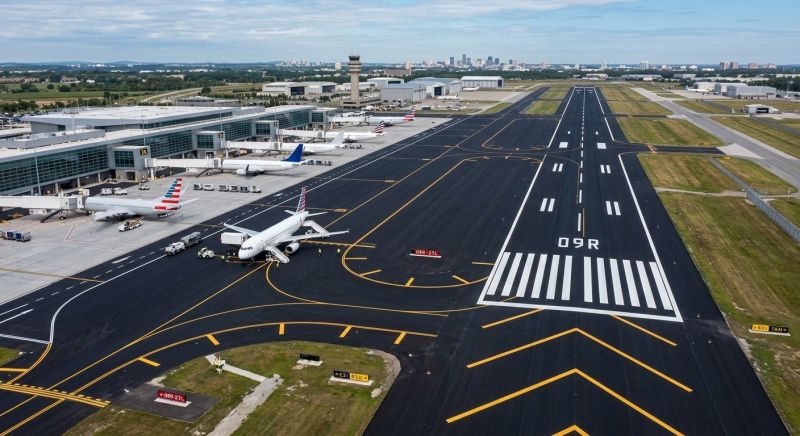
Commercial Airport Pavements
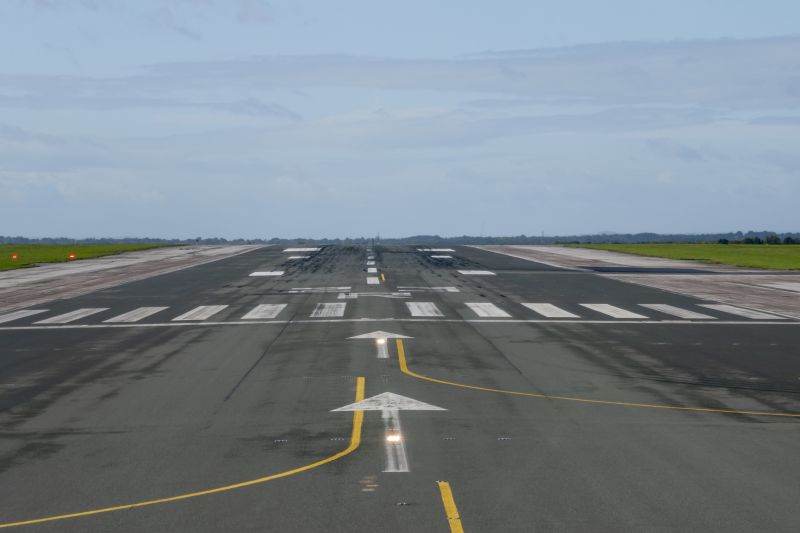
Ensuring durable surfaces for airport runways and taxiways in little rock and surrounding areas.
Residential Driveway Paving
Enhancing curb appeal and functionality with expertly paved driveways for homes in little rock.
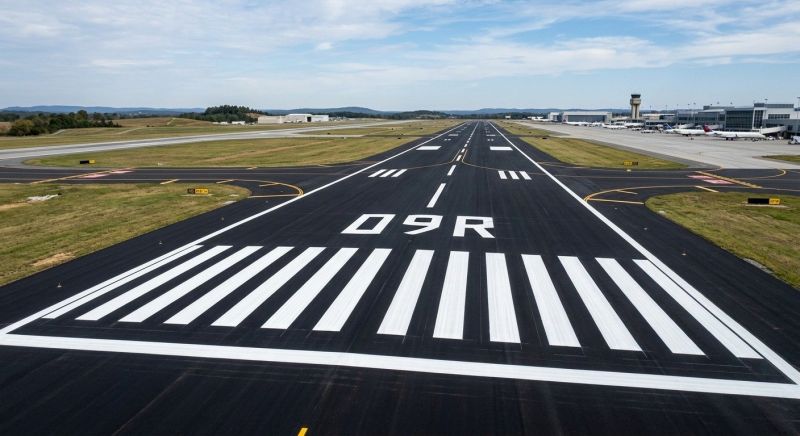
Airfield Surface Maintenance
Maintaining smooth and safe airport surfaces to support reliable aviation operations locally.
Airport Paving in Little Rock, AR

Airport paving services encompass the installation, repair, and maintenance of paved surfaces used for airport runways, taxiways, and aprons. These projects typically involve large-scale asphalt or concrete paving to ensure smooth, durable surfaces capable of handling heavy aircraft traffic. Homeowners and property owners may request airport paving services for private airstrips or large-scale commercial properties that require reliable, high-quality paving solutions designed to meet specific weight and safety standards.
Before requesting airport paving, property owners should consider the scope of the project, including the size of the area to be paved and the type of surface desired. It’s important to understand the necessary surface thickness, material specifications, and any local regulations or standards that may apply. Clarifying these details can help ensure the paving work meets safety and operational requirements, providing a long-lasting and functional surface for aircraft operations.
Many property owners in Little Rock, AR look into Airport Paving for repairs, replacements, upgrades, and appearance-related improvements.
Common Airport Paving Jobs
Asphalt paving - durable surfaces ideal for driveways and parking areas.
Crack filling - essential for maintaining pavement integrity and preventing water damage.
Resurfacing - improves the appearance and extends the lifespan of existing pavement.
Sealcoating - protects surfaces from weathering and enhances curb appeal.
New pavement installation - creates a smooth, reliable surface for parking lots and access roads.
Pothole repair - restores safety and functionality to damaged asphalt surfaces.

Airport Paving Questions
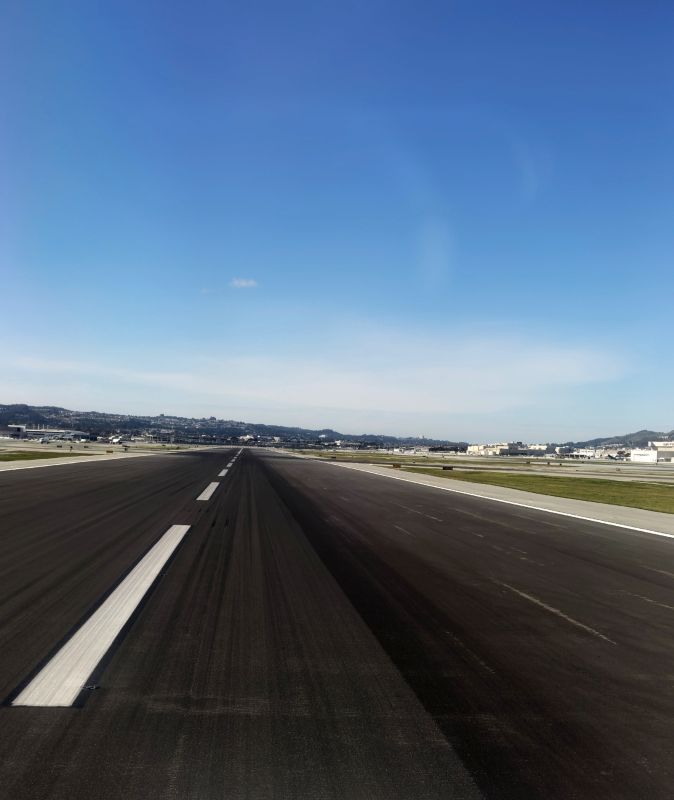
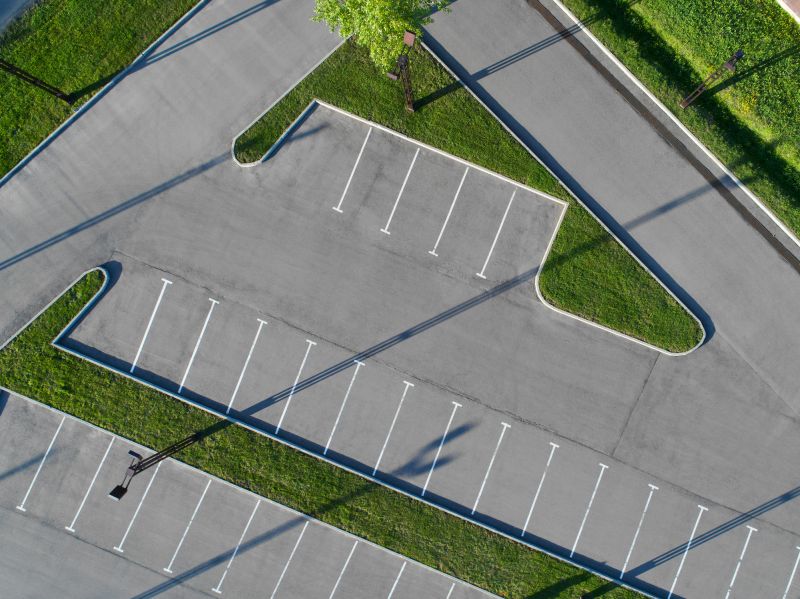
What types of surfaces can be paved for airports? Airport paving services typically include runways, taxiways, aprons, and parking areas to meet operational needs.
How long does airport paving usually take? The duration varies based on project size and scope, with detailed planning to ensure minimal disruption.
What materials are used for airport paving? Common materials include asphalt and concrete, chosen for durability and suitability for high-traffic areas.
Are airport paving projects suitable for existing airport layouts? Yes, paving services can accommodate upgrades, repairs, or expansions within current airport configurations.
Request Airport Paving in Little Rock, AR
Use the quote form on this page to share the basics of your project and request more information for the type of work you need.